- Jun 25 Tue 2024 14:39
-
VPN Implementation Strategies: Route-Based vs. Policy-Based Considerations

- Jun 25 Tue 2024 12:37
-
5 Essential VPNs for iPhone: Your Guide to Free and Reliable Protection

A Virtual Private Network (VPN) for iPhone significantly boosts online security and privacy by encrypting your internet connection and masking your IP address. This makes it challenging for third parties to monitor your online activities.
Benefits of Using VPNs on iPhone include:
- Enhanced Security: Encrypts data to safeguard against hackers and surveillance.
- Privacy Protection: Masks your IP address and location.
- Access to Restricted Content: Circumvents geographical restrictions for content accessibility.
- Jun 25 Tue 2024 12:01
-
Emerging Technologies and Data Privacy in Research: Risks and Mitigation Strategies

Ensuring data privacy in research is vital as it affects how researchers handle and safeguard sensitive information. This article delves into fundamental research concepts and the challenges surrounding data privacy, aiming to provide insights into its complexities and potential solutions.
Understanding Data Privacy in Research
Data privacy in research refers to the ethical and legal guidelines governing the collection, use, and storage of personal data obtained from research participants. It emphasizes the protection of individuals' privacy rights while ensuring research objectives are met responsibly.
Challenges in Data Privacy in Research
- Jun 25 Tue 2024 11:34
-
Is Privacy the Only Reason? Examining the Main Purpose of a VPN
A Virtual Private Network (VPN) is a crucial tool in today's digital age, serving multiple purposes that enhance online security, privacy, and accessibility. This article explores the primary uses of VPNs and their impact on internet users.
One of the foremost purposes of a VPN is to secure internet connections. By encrypting data transmitted between your device and the internet, VPNs protect sensitive information from threats like hackers or malicious entities. This encryption ensures that your data remains unreadable and secure even if intercepted.
Another critical use of VPNs is accessing blocked content. VPNs allow users to circumvent restrictions imposed by streaming services or government censorship by masking their IP address and appearing to access the internet from a different location.
Beyond security, VPNs safeguard users' privacy by anonymizing their online activities. When using a VPN, Internet Service Providers (ISPs), advertisers, and other entities are unable to track or monitor your browsing habits and location, thereby protecting your anonymity and avoiding targeted advertising or surveillance.
In summary, a VPN primarily serves to enhance security, privacy, and accessibility online. It encrypts internet connections, grants access to restricted content, and protects user privacy by masking IP addresses. Despite some limitations such as potential reduced speed, legal restrictions in certain countries, and associated costs, VPNs remain essential tools for safeguarding digital activities in our interconnected world.
- Jun 25 Tue 2024 11:05
-
Navigating the Evolving Landscape of Blockchain Security Threats

Blockchain technology has ushered in a new era of decentralization, yet it also brings significant concerns for security and privacy. Proxy Rotating's overview highlights critical issues in these domains.
Security Challenges
The decentralized nature of blockchain presents several security vulnerabilities. These encompass flaws in smart contracts, risks of 51% attacks, and vulnerabilities in managing private keys. Maintaining the trustworthiness and confidentiality of transactions is vital for the credibility of blockchain networks.
Privacy Concerns
Blockchain's transparency ensures transaction immutability but simultaneously exposes transaction details to all network participants. This transparency poses risks such as identity tracking and transaction tracing, potentially compromising user anonymity.
- Jun 25 Tue 2024 10:36
-
Mastering Blockchain Security: Essential Insights from the Summit

The Blockchain Security Summit is a leading event dedicated to addressing cybersecurity challenges and data protection issues in blockchain technology. It serves as a gathering for experts, researchers, developers, and users to discuss and explore solutions to critical security challenges affecting blockchain and its applications.
Activities at the summit include keynote speeches, panel discussions, workshops, and networking opportunities. Key topics covered include the latest cybersecurity threats, innovative security solutions, emerging trends, and future predictions for blockchain security.
The summit features a diverse lineup of speakers from prominent organizations such as MetaMask, ConsenSys, Ethereum Foundation, and academic institutions like Carnegie Mellon University. Discussions range from enhancing smart contract security to preparing for quantum computing risks and improving digital identity management on blockchain.
Overall, the Blockchain Security Summit is an essential forum for advancing knowledge and collaboration in securing blockchain technologies. For more details, please visit Proxy Rotating.
Source: https://proxyrotating.com/blockchain-security-summit/
- Jun 20 Thu 2024 15:15
-
Addressing Blockchain Security Concerns: Risk Management Strategies

Blockchain technology has gained considerable attention for its ability to potentially transform various industries through decentralized and transparent transaction systems. However, alongside its promise, there are critical security considerations that must be addressed.
Primary Security Issues in Blockchain Blockchain's security assurances are centered on several key aspects:
- Security: Blockchain networks are known for their resistance to data tampering due to their decentralized and cryptographic foundations. Nonetheless, vulnerabilities in smart contracts and consensus protocols can still be exploited by malicious actors.
- Privacy: While transactions on public blockchains are pseudonymous, the traceability of transactions can compromise user privacy. Private blockchains offer increased confidentiality but must balance this with auditability.
- Scalability: The scalability of blockchain networks remains a challenge, with concerns over enhancing transaction speed without compromising security or decentralization.
- Jun 20 Thu 2024 14:44
-
Data Privacy: A Cornerstone of Modern Digital Ethics

In today's digital age, data privacy holds unprecedented importance. It refers to individuals' right to control the collection, usage, and sharing of their personal data amidst advancing technology. Understanding its significance underscores its pivotal role in shaping our digital landscape.
Data privacy ensures that personal information is protected, giving individuals authority over who accesses their data and how it's utilized. This principle is essential for fostering trust and transparency in digital interactions.
Here are ten key benefits of prioritizing data privacy:
- Protecting Personal Information: Regulations and practices safeguard sensitive data, ensuring confidentiality and security.
- Building Customer Trust: Businesses that respect data privacy build trust with customers, nurturing enduring relationships based on transparency.
- Jun 20 Thu 2024 12:40
-
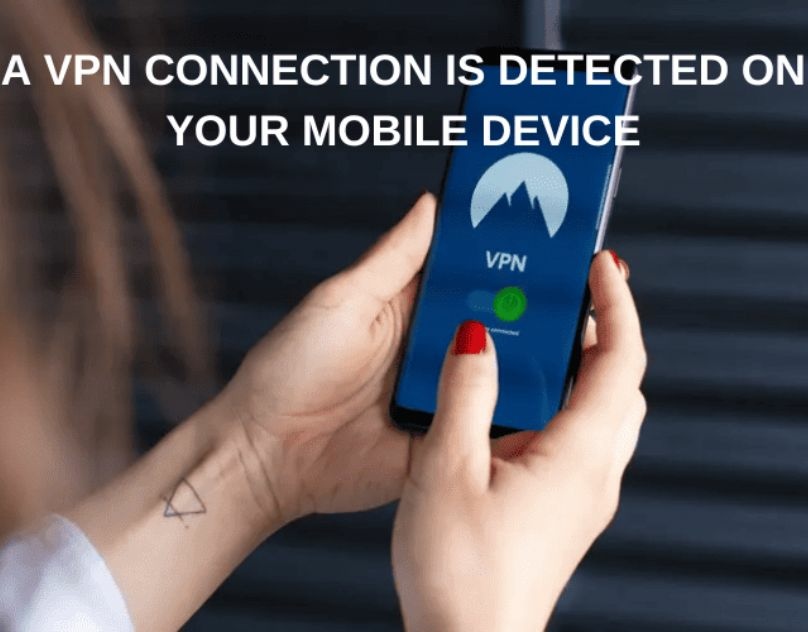
Steps to Remove: VPN Detected on Your Phone

In today's digital era, mobile devices are indispensable for accessing information and maintaining connectivity. However, seeing a notification that reads "VPN connection detected" can sometimes puzzle or worry users. Let's explore what this notification signifies, its reasons, and how to resolve VPN connection issues on mobile devices.
Understanding the "VPN Connection Detected" Notification A VPN (Virtual Private Network) is a technology that enhances online privacy and security by establishing a secure, encrypted connection over an insecure network like the Internet. While VPNs offer significant advantages such as safeguarding sensitive data and bypassing geographical restrictions, their use on mobile devices may trigger alerts from specific apps or services.
Causes of the "VPN Connection Detected" Notification This notification typically appears when apps or services detect an active VPN on the mobile device. Such detection can occur due to security protocols implemented by the app, which might restrict or monitor usage during VPN sessions.
Resolving VPN Connection Issues on Mobile Devices If you encounter the "VPN connection detected" notification and wish to address it, consider these steps:
- Jun 20 Thu 2024 12:10
-
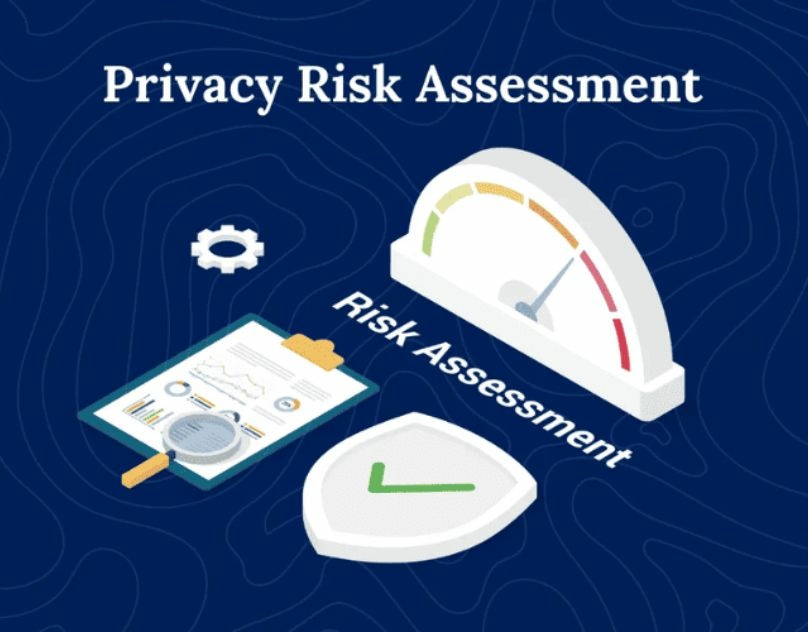
Data Privacy Risk Assessment: Challenges and Solutions

Data Privacy Risk Assessment (DPRA) is a critical process in today's digital era, focused on evaluating potential risks associated with handling sensitive information. It involves systematically identifying, analyzing, and addressing vulnerabilities to help organizations protect data privacy and comply with regulatory standards.
What is Data Privacy Risk Assessment?
Data Privacy Risk Assessment entails systematically evaluating potential risks that may compromise the confidentiality, integrity, or availability of sensitive data. It provides organizations with valuable insights into their data processing activities, highlighting areas where data protection measures may be insufficient.
Importance of Data Privacy Risk Assessment Conducting
DPRA is essential due to its proactive approach in mitigating data privacy risks. Given the rising frequency of data breaches and increased regulatory oversight, organizations face substantial financial, legal, and reputational repercussions if they do not adequately safeguard sensitive information. DPRA facilitates the early identification of vulnerabilities, ensuring that appropriate controls are in place to effectively mitigate risks.
- Jun 19 Wed 2024 17:33
-
Key Elements of a Data Privacy Governance Framework: Strategies for Implementation

In the modern digital era, effective data privacy governance frameworks are essential for protecting personal information amidst technological advancements. Such frameworks outline how organizations manage and safeguard data privacy, ensuring compliance with regulations and fostering trust with stakeholders.
A data privacy governance framework establishes the organizational structure responsible for overseeing data privacy policies. This includes defining roles such as Data Protection Officers (DPOs) and ensuring accountability throughout the organization.
Central to these frameworks are the processes and policies governing data collection, processing, storage, and sharing. They encompass consent mechanisms, data minimization principles, and protocols for managing data breaches.
Frameworks also integrate technological solutions like encryption, access controls, and anonymization techniques to enhance data protection. Tools such as data management platforms and privacy-enhancing technologies are employed to enforce compliance with privacy regulations.
Educating employees about data privacy responsibilities and regulatory requirements is crucial. Training programs ensure that staff understand best practices, fostering a culture of privacy awareness within the organization.
- Jun 14 Fri 2024 15:47
-
Securing the Future of Data: Why Blockchain Ledgers are Revolutionizing Security

A blockchain ledger employs blockchain technology to securely store and manage data. It operates as a series of interconnected blocks, each containing transaction details, secured through cryptographic principles. The decentralized nature of blockchain, coupled with its transparency, security, tamper-resistance, and resilience, establishes it as a robust system for transaction recording and verification.
The Security Advantages of Blockchain Ledger
Decentralization: Blockchain ledger operates on a global network of computers, eliminating centralized control. This decentralized structure ensures changes to the blockchain require consensus among network participants, making fraudulent activities extremely challenging.
Transparency: Every transaction recorded on the blockchain is publicly accessible, enabling anyone to verify transactions in real-time. This transparency discourages tampering attempts by ensuring any alterations are detectable and traceable by the community.
Security: Transactions on the blockchain are encrypted using advanced cryptographic techniques, rendering data alteration nearly impossible. Each block includes a cryptographic hash of the previous block and transaction data, ensuring any change is immediately apparent through hash alterations.